These articles are part of the One in a Million platform — a space for real, soul-to-soul connection. They’re here to support the deeper conversations I have with people one-on-one. Through mentorship, friendship, and real-time companionship, I offer a place to talk, reflect, and walk beside you on your journey. Each article is meant to spark reflection, open dialogue, and gently support you as part of the larger experience at oneinamillion.me.
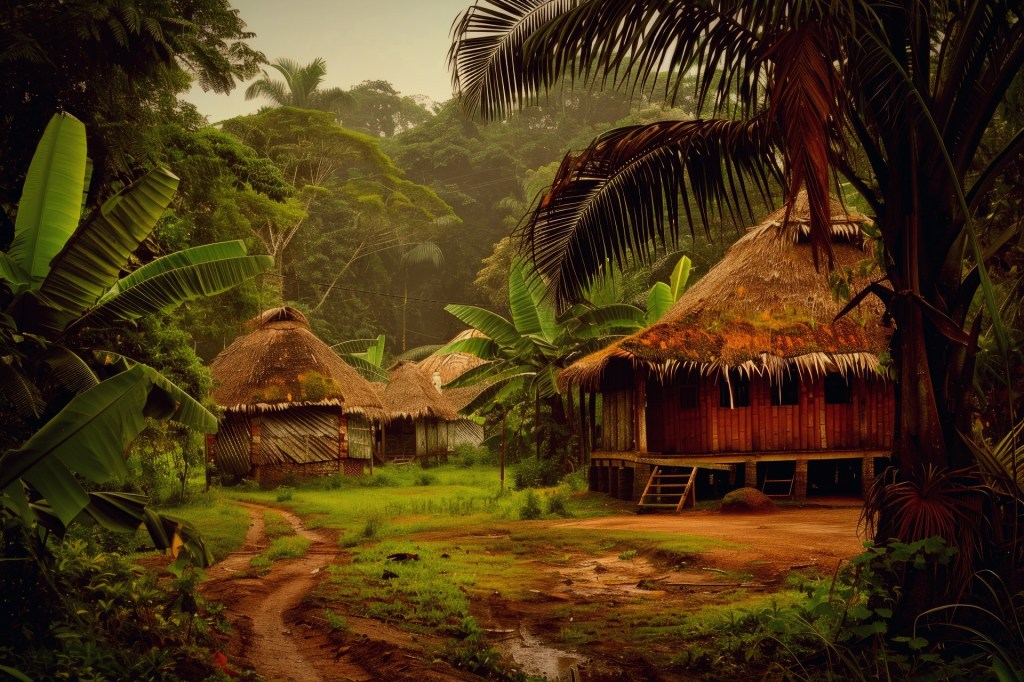
In a world increasingly measured by GDP and mental health statistics, we seem to have forgotten that for over 99% of human history, we lived in tribes. I grew up partly in Africa, alongside local families who had little in material wealth but an abundance of something far more vital—belonging, joy, and shared responsibility. Their lives were not curated, optimized, or branded. They were woven. In this piece, I explore how tribal and village-based living—still thriving in many developing countries—offers not just an alternative, but a remembering of what it means to be human. Drawing from historical records, anthropological insights, and my own lived experience, I invite us to rethink the narrative of progress and ask: What did we leave behind when we left the village?
Reach out and Talk.
Please reach out if you related to anything in these articles or they trigger experiences in your own life.
A Note from Me to You
These articles are personal reflections — shaped by my experiences living in Africa, Asia, Europe, and the U.S. They’re not meant to be universal truths, but rather open windows into the cultural patterns I’ve witnessed and the questions they’ve stirred in me. Much of what I write here is about the quiet ways society can make us feel like we are the problem, when really, we’re responding in very human ways to a world that often feels disconnected or misaligned.
If something here resonates with you — if you’ve ever felt frustrated, misplaced, or just tired of trying to “fix” yourself to fit into systems that feel off — I’d love to hear from you. You’re not alone. This space is here to invite honest conversation, shared stories, and connection.
What are you navigating? What systems or beliefs have weighed on you? What are you hoping to shift?
“Humans are not wired for the anonymous life of cities, but for the intimacy and interdependence of the tribe.”
— Sebastian Junger, Tribe: On Homecoming and Belonging
From Tribal Support to Western Isolation: How Capitalism Killed Community
From Tribal Support to Western Isolation: How Capitalism Killed Community
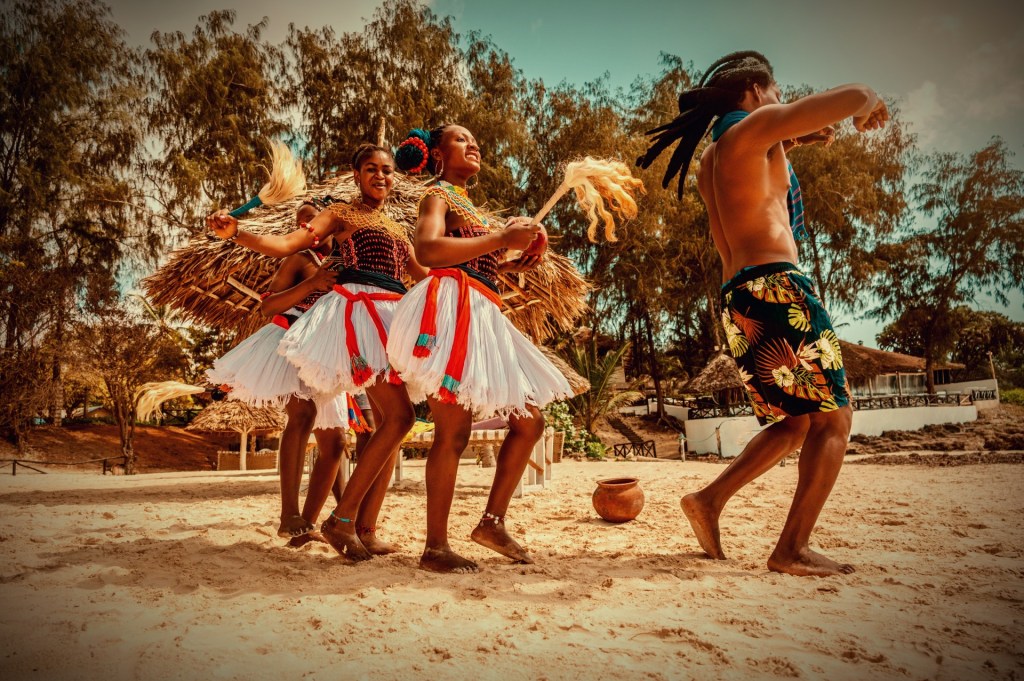
There’s a fire I carry in my chest—a memory of the real world. Not the concrete boxes we now live in, staring at screens, barely touching. I grew up in Africa, alongside families with nothing, and yet they had everything: connection, laughter, belonging. We bathed together, cooked together, danced and grieved together. Even in hardship, there was joy, because nobody was ever alone.
By contrast, in the West, we’ve replaced tribal support with sterile chairs and therapy rooms. Grief is no longer shared in ritual, it’s spoken into a circle of strangers as if we’re being interrogated: “Who wants to go next?” We label people ‘damaged’ and ‘disordered’ because they’re hurting—but they’re just human, and alone.
200,000 Years of Belonging vs. 300 Years of Isolation
Humans have lived in tribal, small-group communities for roughly 200,000 years. Industrialized life—factory cities, cubicles, bureaucracy—has existed for only 300 years. That’s 0.15% of our evolutionary history.
“The conditions of modern life are profoundly out of sync with the social structures we evolved in.” — Robin Dunbar, anthropologist (on Dunbar’s number, ~150 as the cognitive limit of stable relationships)
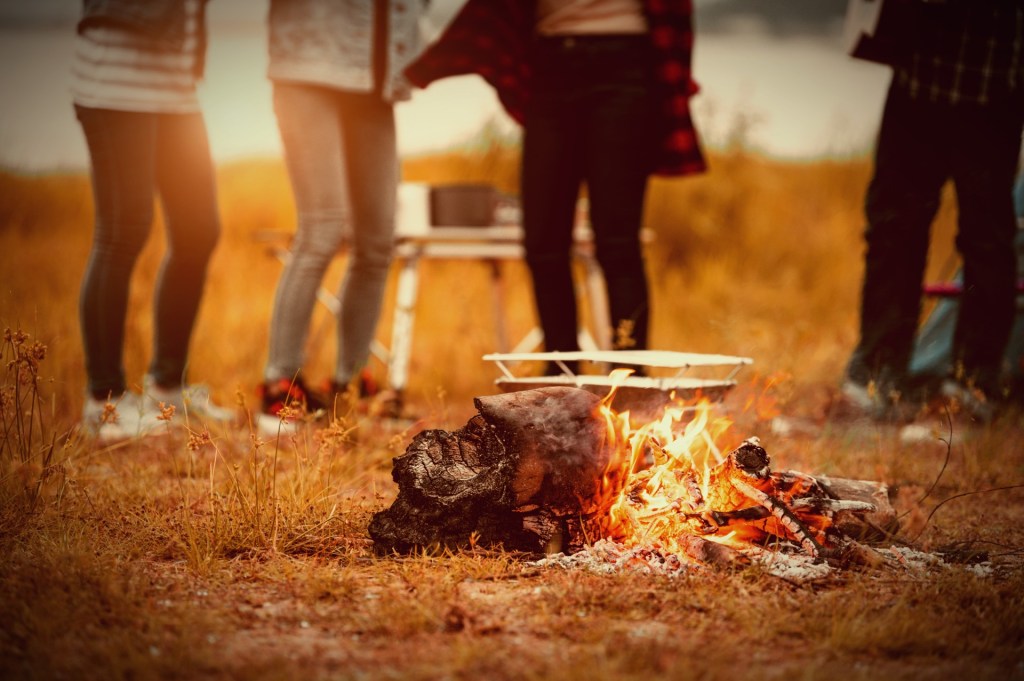
We are biologically wired for small circles: firelight, familiar faces, elders and children coexisting in one vibrant village rhythm.
“Modern loneliness is a direct result of the disintegration of the village.” — Gabor Maté, Physician and Trauma Expert
When Captivity Was Preferable to Civilization
When early Americans were captured by Native tribes, many didn’t want to return. Mary Jemison chose to stay with the Seneca. Herman Lehmann was adopted by the Apaches and fully assimilated. Countless others found tribal life more free, more meaningful, more human.
“Once they had lived in that way, they preferred it. They had no desire to return to the structured, hierarchical life of white society.” — Scott Zesch, The Captured
Even today, many people who leave the West for developing nations speak of relief. I’ve lived in small villages in Thailand, Eastern Europe, and Africa. Even without knowing the language, I felt embraced. People smiled, offered food, hugged me without hesitation. I was never alone. Not once.
The Myth of Progress
Capitalism has sold us a lie: that having more will make us more. But the further we go into digital loneliness and material obsession, the more we break.
Bhutan replaced GDP with Gross National Happiness—measuring well-being, culture, and nature. Their people are among the happiest on Earth.
Meanwhile, in the West, even wealth doesn’t guarantee joy. In fact, many of the richest countries are facing epidemics of depression, addiction, and suicide. The United States, for instance, has seen an alarming rise in what economists call “Deaths of Despair”—suicide, alcoholism, drug overdose.
“We have created a society that neglects the soul in pursuit of the machine.” — Dr. Gabor Maté
How We Used to Grieve
In tribal societies, grief is not a diagnosis. It’s a passage. In the Dagara tribe of Burkina Faso, grieving rituals bring the entire village together to weep, sing, and purge sorrow. No one is shamed. No one is alone.
In contrast, modern therapy often involves sitting alone in a chair, in a quiet, disconnected room, trying to explain your pain to a stranger—who must remain neutral. The chairs are spaced apart. There’s no touch. No ritual. Just stories told in isolation.
I often wonder what my African friends would think, seeing these Western therapy rooms. They’d likely be baffled. Because in tribal life, a woman abused is not labeled. A man broken by war is not called disordered. They are held. Supported. Allowed.
“We cry together. We bury together. We survive together. That is how grief has always been healed.” — African Proverb (oral tradition)
“In a small village, you are never alone in your joy or in your grief. The community feels it with you.” — African Proverb
The Disappearance of Communal Ecosystems
Before industrialization, villages were self-sustaining microcosms: the baker, the healer, the storyteller, the blacksmith. Each life role was vital. Elders were honored. Children were raised by all. There was no need for nursing homes or daycares—because community was woven into life.
The industrial model atomized everything: food became factories, education became standardized, death became medicalized. Relationships became contractual.
Now, instead of sitting around a fire, we sit in office chairs. Instead of grieving communally, we cry in parking lots or behind closed doors.
In the Blue Zones—regions with the longest-living people—what do they have in common? Intergenerational living, ritual, purpose, movement, and connection.
Places like Okinawa show us that joy, longevity, and health are rooted in community, not capitalism.
“In the West, we’ve forgotten the village. We’ve built towers of independence, but lost the wisdom of interdependence.” — Robin Wall Kimmerer
Stories from the Working Class
Even my grandparents, who lived through World War II, told me this: what they remembered most wasn’t the bombs or the fear—it was the solidarity. The women sharing bread. The men fixing things together. The children singing. They missed it.
In poor areas of Manchester, East London, or rural Ireland, the working class knew how to survive together. They may have lacked money, but they never lacked purpose or company. Contrast that with high-income suburbs today, where every house is isolated, every problem outsourced, and every soul quietly lonely.
“The strength of the tribe is each individual member. The strength of each member is the tribe.” — Rudyard Kipling
The Real Question: What Are We Actually Evolving Toward?
What if therapy wasn’t something we paid for, but something we lived?
What if safety, grief, joy, and support weren’t located in sterile offices, but around us—at kitchen tables, a Sunday BBQ, fire pits?
What if children didn’t have to grow up in nuclear families staring at exhausted parents, but in multi-generational tribes?
“The community stagnates without the impulse of the individual. The individual dies without the nourishment of the community.” — William James, philosopher and psychologist
We’ve evolved over 200,000 years to live together. The problem isn’t the human being. The problem is the system that told us being alone was normal.
“We are not ‘struggling’. We are just not built for this.”
It’s time to remember what we were built for. It’s time to rebuild community and supportive friendships wherever we can, in schools, churches, sports, interested groups, work places, anywhere we can.
“What sustains the human soul is not success or wealth, but the everyday acts of belonging, gathering, and being seen.” — Brené Brown
Citations and Resources
Zesch, S. (2004). The Captured: A True Story of Abduction by Indians on the Texas Frontier.
Dunbar, R. (1992). “Neocortex size as a constraint on group size in primates”. Journal of Human Evolution.
Gabor Maté on Collective Trauma and Healing: YouTube
“The happiest people don’t necessarily have the best of everything, they just make the best of everything—with each other.”
— Unknown
I’d Love to Hear From You
If anything in this article spoke to you, or sparked a thought, I’d love to hear about it. Whether you want to explore these ideas more deeply or simply share what’s going on in your life right now, you’re warmly invited to reach out. You don’t need to have it all figured out — I’m here to listen, reflect, and walk beside you in whatever part of the journey you’re in..
Below is a List of Resources – Read, Watch, Listen and Be Inspired!
Books
Tribe: On Homecoming and Belonging – Sebastian Junger Explores how tribal societies meet fundamental human needs for connection and belonging. Discusses how Western culture isolates individuals and creates unnecessary suffering.
The Spirit Level: Why Equality is Better for Everyone – Richard Wilkinson & Kate Pickett Uses global data to show how inequality in Western societies correlates with worse mental health, addiction, and isolation, versus more equitable, communal cultures.
Bowling Alone – Robert D. Putnam A seminal book on the decline of social capital and communal participation in the U.S., mapping its psychological and civic consequences.
The Geography of Bliss – Eric Weiner A travel memoir-meets-cultural-study exploring why some countries (like Bhutan) rank higher in happiness—and what we can learn from them.
The Village Effect: How Face-to-Face Contact Can Make Us Healthier and Happier – Susan Pinker Explains how real-world relationships, especially in village-like communities, are key to longevity and well-being.
Dying of Whiteness – Jonathan Metzl While more politically focused, this book touches on individualism and decline of communal welfare systems.
The Art of Gathering – Priya Parker Explores the importance and power of intentional communal space and rituals—even in modern life.
TED Talks
Sebastian Junger – “Our lonely society makes it hard to come home from war” 🔗 Watch Brilliant breakdown of why tribal belonging heals trauma better than individual therapy.
Robert Waldinger – “What makes a good life? Lessons from the longest study on happiness” 🔗 Watch Harvard study showing relationships are the #1 predictor of well-being.
Susan Pinker – “The secret to living longer may be your social life” 🔗 Watch
Films & Documentaries
Happy (2011) A global documentary exploring what really makes people happy. Includes Bhutan and other tribal contexts.
The Mask You Live In (2015) Touches on isolation, disconnection, and lack of emotional sharing among boys/men in Western society.
The Wisdom of Trauma – Dr. Gabor Maté Explores trauma through the lens of disconnection and Western clinicalization vs communal healing. [🔗 https://wisdomoftrauma.com]
Griefwalker – Stephen Jenkinson Deep poetic documentary about grief, loss, and the communal rituals we’ve lost in Western modernity.
Baraka / Samsara Visually stunning, no-narration films showing the contrast between tribal and industrial life across the globe.
Podcasts
On Being with Krista Tippett Many episodes reflect on community, belonging, and indigenous wisdom. Especially episodes with Robin Wall Kimmerer, John O’Donohue, and Bayo Akomolafe.
The Emerald Podcast – “The Modern World is Spiritually Boring” Discusses grief, ritual, community, and modern disconnection from soul and spirit.
Sounds True: Insights at the Edge – “Indigenous Wisdom for Modern Times” Features many indigenous voices exploring ancestral grief practices and tribal community values.
Research
“Evolutionary roots of human social behavior” – Robin Dunbar The anthropologist behind Dunbar’s Number (150 meaningful relationships max); his work discusses how humans are biologically built for small-scale communities.
“Gross National Happiness in Bhutan: A Living Example of an Alternative Approach to Progress” – Centre for Bhutan Studies A policy-based, yet holistic breakdown of Bhutan’s GNH framework. 🔗 Read summary here
Blue Zones research – Dan Buettner & National Geographic Studies communities with highest longevity, emphasizing small villages, tight-knit community bonds, and purposeful living. [🔗 https://www.bluezones.com]
“Collective Rituals and Social Cohesion” – Dr. Harvey Whitehouse (Oxford) Research on how shared ritual practices reinforce bonding and mental health in tribal or spiritual communities.

 One in a Million