
The Missing Middle – Relationships
There is a vast and exhausting gap between being alone and being in a romantic relationship in the modern West. For many of us—especially those in our 40s and 50s who have experienced long relationships, marriages, divorces, or trauma—the push to reenter the dating world just to have some emotional support feels absurd. All we often want is company. Someone to sit with, to laugh with, to share a coffee or a quiet dinner. But instead, we are driven into an unnatural binary: alone, or in a relationship. Nothing in between.
Reach out and Talk.
Please reach out if you related to anything in these articles or they trigger experiences in your own life.
A Note from Me to You
These articles are personal reflections — shaped by my experiences living in Africa, Asia, Europe, and the U.S. They’re not meant to be universal truths, but rather open windows into the cultural patterns I’ve witnessed and the questions they’ve stirred in me. Much of what I write here is about the quiet ways society can make us feel like we are the problem, when really, we’re responding in very human ways to a world that often feels disconnected or misaligned.
If something here resonates with you — if you’ve ever felt frustrated, misplaced, or just tired of trying to “fix” yourself to fit into systems that feel off — I’d love to hear from you. You’re not alone. This space is here to invite honest conversation, shared stories, and connection.
What are you navigating? What systems or beliefs have weighed on you? What are you hoping to shift?
I’d be honored to walk beside you on your path.
“We expect one person to give us what an entire village used to provide.”
— Esther Perel
Disconnection from Each Other
The Missing Middle Ground of Friendship
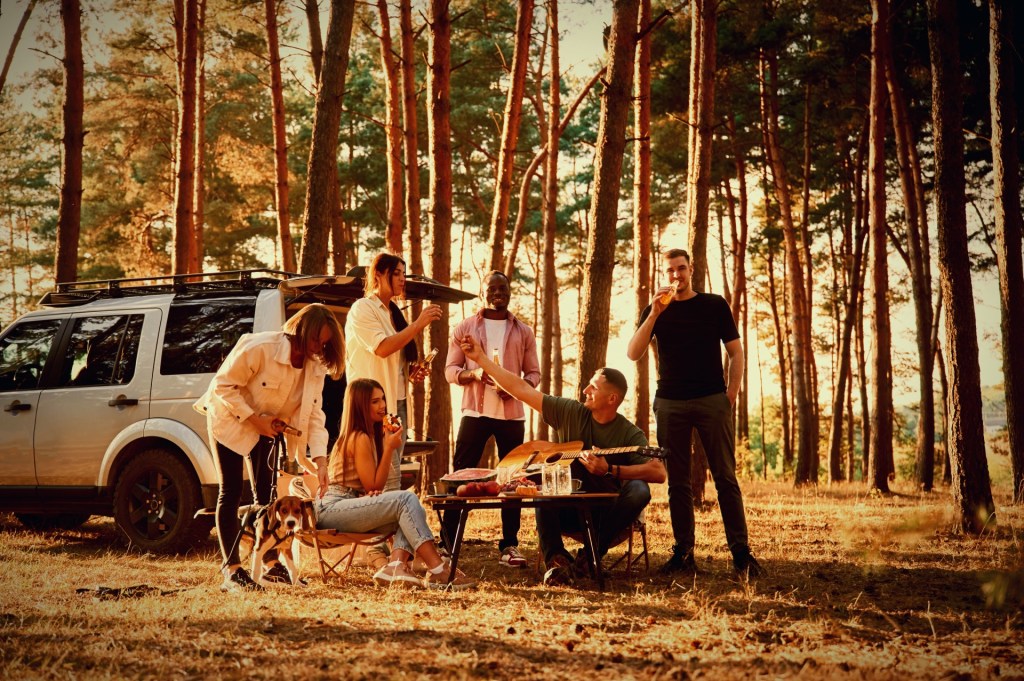
This is not how it was meant to be. Humans are genetically wired for tribe. For community. For spending time daily with people who know us. We evolved for 200,000 years in tribal and village life—where every day we were immersed in a web of support, familiarity, laughter, and participation. Whether single, partnered, widowed, or childless, you were never isolated. You were never made to sit at home, alone in a box with four walls, swiping through awkward dating profiles just to find someone to eat dinner with.
In tribal societies, it didn’t matter what your relationship status was. Every day you were surrounded by people: the men off smoking and hunting together, the women singing while washing clothes or raising each other’s babies. Elders were honored and busy. Widows had important roles. If you were new to the tribe, you were still included. You didn’t eat alone. You didn’t live alone. You didn’t sit in silence watching TV alone.
Today, millions of people in the West do just that.
“We are, by nature, a tribal species. We are meant to feel safe and seen within a community, not to walk alone through life’s storms.”
— Johann Hari, Lost Connections
I know so many friends who are in their 40s and 50s, single after years of marriage, many with children, many carrying deep trauma. And the message they receive is: get back out there. Scroll through endless dating sites. Go on Speed Dating Lunches. Go to therapy. Learn your patterns. Fix yourself so you can do the impossible again because you are so messed up you are attracted to the dangerous ones. After years of hard work on yourself now you can possibly not do the same mistake again. Be ready for a new relationship. But why must we do all that just to earn the right to have company? Why must emotional closeness only come through partnership? Of course, I’m not saying that there is anything wrong with wanting a relationship. And of course its really important to restructure and heal your own mindset if clearly you have fallen into patterns that have not served you. But to have to do all that hard work and risk all that stress just to be able to enjoy a walk on the beach with someone, sitting by a fire, having a coffee and watching the sunset is insanity and exhausting.
What we are missing—deeply, structurally, and systemically—is the middle ground.
Just like the missing middle between isolation and professional mental health care, we are missing the middle between solitude and romance: companionship.
Sure, there are clubs and meetups and yoga classes. But seeing people once a week doesn’t build deep connection. Close friendships come from regular contact, shared routines, the natural intimacy that comes with living life near each other. In the past, this was built into the fabric of society. Now, we must fight to create it.
“We’ve built houses with more rooms than people, and hearts with more walls than windows.”
— Unknown
And the pressure to turn every meaningful connection into a romantic one is exhausting. You can’t go for a walk or watch a movie or share a meal without the nagging thought, “Maybe this is something more? Maybe they’re the one?” It’s draining. It makes real friendship almost impossible between single adults.
This mindset is a byproduct of post-industrial culture, suburban sprawl, and the dismantling of village life. We no longer have that web of support around us. And when we don’t, our deep human needs get funneled into the only culturally acceptable solution: find a partner. But partnership is demanding. Relationships are mirrors. They require time, energy, growth, and readiness. Many of us simply aren’t in that place. And we shouldn’t have to be.
I want to say clearly: there is nothing wrong with needing company. There is nothing strange about wanting to eat dinner with someone, to go on walks, to sit on a swing and have a cup of coffee with a friend. There is nothing wrong with not wanting to date, not wanting another relationship, not wanting to dive back into the emotional tangle of romance just to avoid being alone.
“The modern couple is forced to be best friend, therapist, co-parent, lover, financial planner, and spiritual guide—all in one. We’re asking too much of each other.”
— Alain de Botton
What we need is to rebuild the middle. We need new spaces that normalize adult friendship, shared living, co-support without romance. We need to revive what tribal life always offered: a place to be, a place to be known, and a place to belong.
Not because we’re needy. Not because we failed at love. But because we are human.
We are not meant to live in boxes, waiting for a new partner just to feel alive. We are meant to laugh together, eat together, move through life together. We are meant to live in tribe.
“The average person today might know hundreds online but still have no one to call when in crisis. Loneliness is not a lack of people—it’s a lack of belonging.”
— Brené Brown

I’d Love to Hear From You
If anything in this article spoke to you, or sparked a thought, I’d love to hear about it. Whether you want to explore these ideas more deeply or simply share what’s going on in your life right now, you’re warmly invited to reach out. You don’t need to have it all figured out — I’m here to listen, reflect, and walk beside you in whatever part of the journey you’re in..
Return to the YOU are not the Problem
RESOURCES
Below is a List of Resources – Read, Watch, Listen and Be Inspired!
Books
“Tribe: On Homecoming and Belonging” by Sebastian Junger
A powerful argument that modern society has created conditions for deep loneliness; Junger draws from tribal and wartime examples to show the human need for connection and shared struggle.
“Bowling Alone: The Collapse and Revival of American Community” by Robert D. Putnam
A landmark sociological study documenting the decline of social capital in the U.S., and the isolation caused by the breakdown of community institutions.
“Lost Connections: Uncovering the Real Causes of Depression—and the Unexpected Solutions” by Johann Hari
Explores how disconnection from others, nature, and meaningful work—not just brain chemistry—underpins much of modern despair.
“The Village Effect: How Face-to-Face Contact Can Make Us Healthier and Happier” by Susan Pinker
Pinker shares research on how close community ties—especially face-to-face—dramatically improve health and well-being.
“Hold Me Tight” by Dr. Sue Johnson
While focused on attachment in romantic relationships, this book also explains how humans are wired for emotional connection, validating the universal longing for closeness.
TED Talks
Sebastian Junger — “Our Lonely Society Makes It Hard to Come Home from War” (TED Talk)
Connects tribal belonging to mental resilience, particularly in soldiers returning from war, but broadly applicable.
Sherry Turkle — “Connected, But Alone?” (TED Talk)
Explores how technology gives the illusion of companionship without the demands of real friendship.
Susan Pinker — “The Secret to Living Longer May Be Your Social Life” (TED Talk)
Draws from Blue Zones to show that community is a better longevity predictor than diet or exercise.
Podcasts & Interviews
The Ezra Klein Show — “Why You Feel Lonely and What to Do About It” (with Johann Hari)
A conversation exploring how our culture creates disconnection and what we might do to restore belonging.
On Being with Krista Tippett — “The Soul in Depression” (with Parker Palmer and Anita Barrows)
A profound dialogue on how the absence of community deepens suffering and what soulful support really looks like.
The Art of Manliness Podcast — “The History and Meaning of Friendship”
A dive into the philosophy and cultural meaning of friendship, including its decline in modern society.
Experts
Sebastian Junger — Author and war journalist deeply focused on tribe, trauma, and belonging.
Sue Johnson — Pioneer in attachment theory and emotional bonding.
Gabor Maté — Speaks extensively on trauma, disconnection, and the human need for authentic connection.
Esther Perel — Though best known for her work on relationships, she powerfully addresses modern loneliness and the emotional burden we place on romantic partners.
Dr. Vivek Murthy (US Surgeon General) — Advocates for treating loneliness as a public health crisis.
Research
Robin Dunbar’s research on group size and social bonds
His work on “Dunbar’s Number” shows that humans are evolutionarily wired to maintain strong social groups of ~150 people.
The Blue Zones Project (Dan Buettner)
Research from communities with the highest longevity—demonstrates how routine, friendship, and multi-generational support underpin health.
“Anthropology and Community” — Journal of Anthropological Research
Articles on the role of shared ritual, co-habitation, and non-romantic bonds in sustaining tribal societies.
“The Origins of Human Sociality” edited by Stephen Levinson & Nicholas Enfield
A deep academic dive into how cooperation, mutual obligation, and trust evolved as the bedrock of human societies.
 One in a Million
Leave a comment